Introduction to Trading Strategies
Welcome to Apex Trading Analytics' guide to trading strategies. Understanding and implementing effective trading strategies is crucial for navigating the complexities of financial markets. Whether you're a beginner or an experienced trader, this guide will provide valuable insights into various strategies and techniques to help you achieve your trading goals. Based out of Edmonton, Alberta, we at Apex Trading Analytics strive to empower traders with the knowledge and tools they need to succeed.
This page explores several popular and effective trading strategies, including day trading, swing trading, and position trading. We'll also delve into crucial risk management techniques to protect your capital and optimize your returns. Through detailed explanations, illustrative examples, and practical tips, you'll gain a comprehensive understanding of how to apply these strategies in real-world scenarios.
Day Trading
Day trading involves opening and closing positions within the same trading day, capitalizing on small price movements. This strategy requires a high level of discipline, quick decision-making, and a deep understanding of market dynamics.
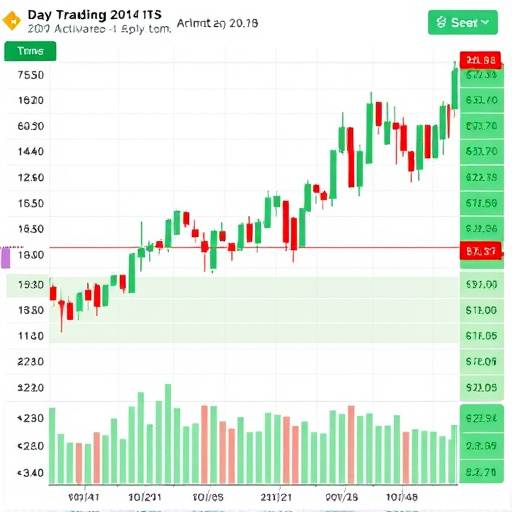
Key characteristics of day trading include:
- Short-term focus: Positions are held for minutes or hours, not days or weeks.
- High frequency: Day traders often execute multiple trades per day.
- Leverage: Day traders frequently use leverage to amplify potential gains (and losses).
- Technical analysis: Reliance on charts, patterns, and indicators to identify trading opportunities.
Day Trading Example: Scalping Strategy
Scalping is a day trading technique that involves making numerous small profits on tiny price changes throughout the day. Traders using this strategy look for quick, easy-to-capture gains, often holding positions for just a few seconds or minutes.
Example: A trader identifies a stock that is consistently moving within a narrow range. They place buy orders slightly below the current price and sell orders slightly above, aiming to profit from these small fluctuations. If the stock price moves as expected, the trader quickly closes the position, securing a small profit. This process is repeated multiple times throughout the day.
Swing Trading
Swing trading involves holding positions for several days or weeks, aiming to profit from "swings" in price. This strategy requires patience, the ability to identify trends, and a moderate level of risk tolerance.
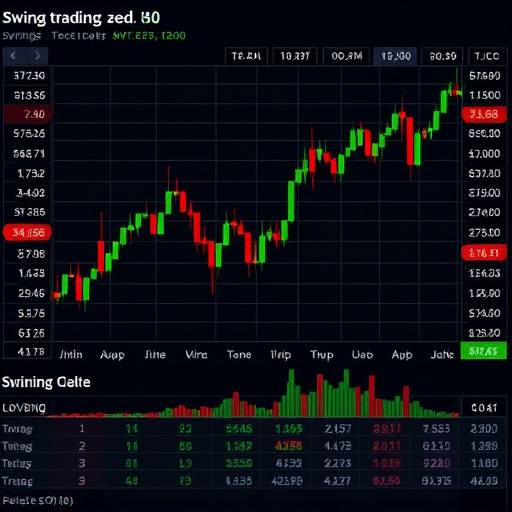
Key characteristics of swing trading include:
- Medium-term focus: Positions are held for days or weeks.
- Trend identification: Swing traders look for established trends to capitalize on.
- Technical and fundamental analysis: A combination of both is used to make trading decisions.
- Risk management: Stop-loss orders are essential to protect against unexpected price movements.
Swing Trading Example: Trend Following Strategy
Trend following is a swing trading strategy where traders identify and ride established trends in the market. The goal is to enter a trade when a trend is forming and exit when the trend shows signs of weakening.
Example: A trader observes a stock that has been consistently rising over the past few weeks, forming an upward trend. They enter a long position, expecting the trend to continue. They also set a stop-loss order below a recent low to protect against a potential trend reversal. After a few days, the stock reaches their target price, and they close the position, securing a profit.
Position Trading
Position trading involves holding positions for months or even years, aiming to profit from long-term trends and fundamental changes in the market. This strategy requires a deep understanding of economics, industry analysis, and a high level of patience.
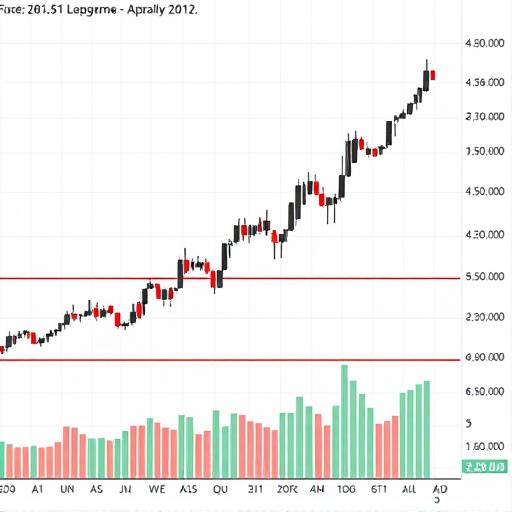
Key characteristics of position trading include:
- Long-term focus: Positions are held for months or years.
- Fundamental analysis: A strong emphasis on company financials, economic indicators, and industry trends.
- Low frequency: Position traders make fewer trades compared to day traders or swing traders.
- Patience: Requires the ability to withstand short-term market fluctuations.
Position Trading Example: Value Investing
Value investing is a position trading strategy that involves identifying undervalued companies and holding their stocks for the long term, expecting the market to eventually recognize their true value.
Example: A trader researches a company and determines that its stock is trading below its intrinsic value based on its assets, earnings, and growth potential. They buy a significant amount of the stock, planning to hold it for several years while the company's value increases. Over time, the market recognizes the company's true worth, and the stock price rises, resulting in a substantial profit for the trader.
Risk Management Techniques
Effective risk management is essential for protecting your capital and minimizing potential losses. Here are some key risk management techniques:
| Technique | Description | Example |
|---|---|---|
| Stop-Loss Orders | An order to automatically close a position when it reaches a specific price, limiting potential losses. | Setting a stop-loss order 2% below your entry price to limit potential losses to 2%. |
| Position Sizing | Determining the appropriate amount of capital to allocate to each trade, based on your risk tolerance and account size. | Risking no more than 1% of your trading capital on any single trade. |
| Diversification | Spreading your investments across different assets, sectors, and geographic regions to reduce overall risk. | Investing in a mix of stocks, bonds, and commodities. |
| Hedging | Using strategies to offset potential losses by taking an offsetting position in a related asset. | Buying put options on a stock you own to protect against a potential price decline. |
| Risk-Reward Ratio | Evaluating the potential profit compared to the potential loss for each trade. | Aiming for a risk-reward ratio of at least 1:2, meaning you're willing to risk $1 to potentially earn $2. |
Examples of Successful Trades
Analyzing successful trades can provide valuable insights into effective strategy implementation and market understanding. Here are hypothetical examples based on sound principles and market conditions.
Successful Day Trade: Breakout Strategy
A day trader identifies a stock that has been consolidating within a tight range for several hours. They notice increasing volume as the price approaches the upper boundary of the range, indicating a potential breakout.
Action: The trader places a buy stop order just above the upper boundary of the range. When the price breaks through the resistance level, the order is triggered, and the trader enters a long position. They set a tight stop-loss order just below the breakout level to protect against a false breakout. The price continues to rise throughout the day, and the trader closes the position near the end of the day, securing a profit.
Successful Swing Trade: Fibonacci Retracement
A swing trader identifies a stock that has been in a strong uptrend. The stock begins to retrace downward, and the trader uses Fibonacci retracement levels to identify potential support areas.
Action: The trader waits for the price to retrace to the 61.8% Fibonacci retracement level, which coincides with a previous support level. They enter a long position, anticipating a bounce off this support level. They set a stop-loss order just below the support level. The price bounces as expected, and the trader holds the position for several days, eventually closing it near a resistance level, securing a profit.
Further Resources
Apex Trading Analytics is committed to providing comprehensive educational resources to help you succeed in the world of trading. Explore the following resources for further learning:
- Market Analysis : Stay up-to-date with our in-depth market analysis and expert insights.
- Contact Us : Reach out to our team of experienced traders for personalized guidance and support.
- Accessibility Statement : Learn about our commitment to providing an accessible online experience for all users.
- Privacy Policy : Understand how we protect your personal information and ensure your privacy.
- Terms and Conditions : Review the terms of use for our website and services.
- Cookies Policy : Learn about our use of cookies and how to manage your preferences.
At Apex Trading Analytics, located at 10235 101 St NW #800, Edmonton, AB T5J 3G1, Canada, we're dedicated to your success. Our team, led by Senior Analyst Dr. Anya Sharma, PhD in Financial Engineering, and Chief Strategist Mr. Ben Carter, CFA, is here to provide the expert guidance you need. You can reach us at +1 815-609-7119 or via email at support@apexanalytics.ca.